Egypt from October: Luxor, Aswan and the Red Sea as the Heat Breaks
 Simply Team
5 min read
Simply Team
5 min read
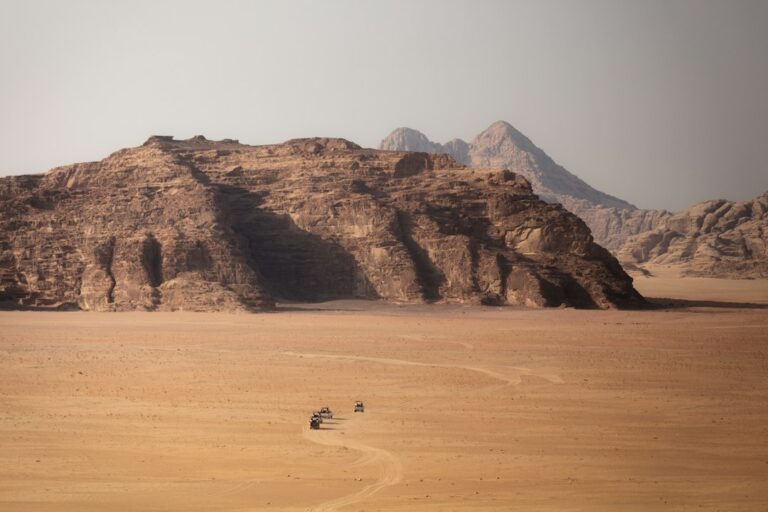
October is the month Egypt changes. The heat that makes standing in front of a temple at midday feel like work begins to ease, the Red Sea still holds its summer warmth, and Nile cruises between Luxor and Aswan come back into season. If you are thinking about a trip after the National Day break, or a longer holiday before the year ends, this is the window travelers to Egypt wait for every year.
Why October in particular?
The point is simple: Upper Egypt becomes walkable again. In summer, a visit to Luxor or Aswan gets squeezed into the first hours after dawn and followed by a retreat from the sun. From October the day opens up, so you can spend the morning at Karnak and the late afternoon on the West Bank without burning all your energy on the stretch between them. At the same time the winter peak has not started, so the sites are quieter than they will be in December and January.
The Red Sea works on a complementary logic: the water is still warm from summer and the air is calmer. That is why so many travelers combine the two in one trip — a few days among the temples, then a few days on the reefs.
Luxor and Aswan: temple season opens
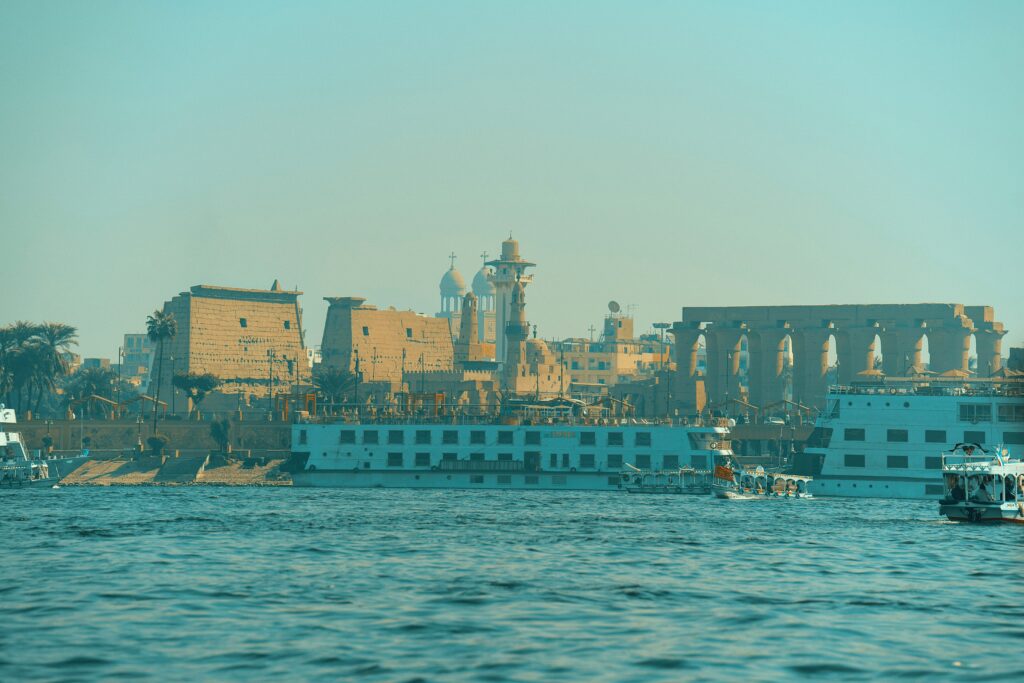
Luxor is a city split across two banks. On the east are the temples of Karnak and Luxor inside the city itself; on the west are the Valley of the Kings, the temple of Hatshepsut and the tombs of the nobles. The distance is short, but the order of your day matters: the West Bank early before the sun climbs, and the East Bank in the late afternoon when the light softens and the columns photograph best.
Aswan is quieter by nature. The Nile is wider and clearer there, and the temple of Philae on its island is worth an evening visit. Aswan is also the starting point for Abu Simbel, where the temple aligns with the sun twice a year, one of those dates falling on 22 October. If your trip lands on it, book early — that day is traditionally crowded.
On a Nile cruise: where the signal actually drops
The cruise between Luxor and Aswan is the best part of the itinerary and the hardest on connectivity. In the cities and at the main temples the network behaves as you expect, but the boat passes rural stretches where the signal fades and returns near towns and temples. That is normal behavior for every network there, and it has nothing to do with which SIM you carry.
What makes the difference is preparation: download your maps, bookings and tickets before you board, and keep an offline copy of the itinerary. Even so, your own data will still beat the paid Wi-Fi on board, which is something a lot of people work out too late.
The Red Sea: Hurghada and Sharm El Sheikh
If half your trip is underwater, October is one of the best times for it: the water is warm, visibility is good, and the daily boat trips run reliably. What surprises travelers here is not coverage but consumption. Dive clips push data use up quickly, especially if you shoot in high resolution and upload every evening. Track your usage inside the app and add a package when you need one, rather than discovering an empty plan in the middle of a boat day.
Cairo as the first stop
Most trips begin in Cairo, and a single day there covers the Pyramids, the Sphinx and the Grand Egyptian Museum before you continue south. The city is busy, and ride-hailing and maps are what you will lean on more than anything else — which is exactly why landing already connected saves more time than hunting for a local SIM after a flight.
What a week looks like
- Two days in Cairo: the Pyramids and the Grand Egyptian Museum.
- Three days between Luxor and Aswan, either based in both cities or on a cruise between them.
- Three days on the Red Sea to finish at a slower pace.
Most travelers connect Cairo to the south by domestic flight rather than the long road, then move on to the coast. What matters is knowing the shape of your days before you book, because the order of the cities changes how many nights you need in each.
Sort your connection before you land
- Check that your device supports eSIM before you buy — the compatible devices list settles it in a minute.
- Install your plan on stable Wi-Fi before you fly and activate it on landing — the installation guide walks through every step.
- Simply runs in Egypt on the main local networks, with speeds up to 5G where available.
- Typical use runs 1-2 GB per day, and more if you shoot a lot of video.
- Your primary number stays in place and keeps receiving calls and bank verification texts, while your data flows through the travel eSIM.
Coverage details and the full FAQ live on the Egypt destination page, and you can check the available plans in the app a day or two before you travel.
Egypt in October gives you what no other month does: temples without punishing heat, a sea that is still warm, and a season that has not filled up yet. Sort your connection before you leave, and what you remember longest will be the place itself, not the search for a network.

Written by
Simply Team